The allure of unpredictability
The thrill of the unknown has captivated human beings for centuries, and it is a key factor that draws people to gambling environments like casinos. The unpredictable nature of games of chance creates an adrenaline rush that many find irresistible. When players explore different options, they may come across canada betting sites to enhance their gaming experience, where every spin of the wheel or roll of the dice could lead to a life-changing moment. This element of surprise not only intensifies the gaming experience but also reinforces the excitement that surrounds it.
Cognitive psychology suggests that humans are naturally inclined to seek out experiences that elicit heightened emotional responses. The unpredictability prevalent in casinos allows players to experience a range of emotions, from anxiety to euphoria, based on the outcomes of their bets. This emotional rollercoaster can be highly addictive, as the brain releases dopamine—a neurotransmitter associated with pleasure—whenever players experience wins, no matter how small. Consequently, this chemical reaction reinforces their desire to engage in risk-taking behavior, making the casino atmosphere even more enticing.
Furthermore, the environment of a casino is deliberately designed to amplify the thrill of unpredictability. Bright lights, lively sounds, and the constant buzz of activity create a captivating ambiance that heightens excitement. Casinos often employ various psychological strategies to enhance the gaming experience, such as the use of near-misses, where players almost win but ultimately fall short. These near-win scenarios keep players engaged and motivated to continue gambling, as they feel that success is within their reach, thus reinforcing their relationship with risk.
The community aspect of gambling
An often-overlooked aspect of gambling is the social interaction that takes place within casinos. For many, these venues are not just places to gamble but also social hubs where individuals gather to share experiences and build connections. The communal atmosphere present at poker tables or in front of slot machines promotes camaraderie among players, allowing them to bond over shared outcomes—both winning and losing. This shared experience can create a sense of belonging that fosters loyalty to the casino environment.
Moreover, the social dynamics at casinos play a significant role in the psychology of risk-taking. Individuals are more likely to engage in heightened risk behavior when they find themselves in group settings. The presence of others can amplify excitement and motivate individuals to make larger bets or take more chances than they would on their own. As players collectively cheer for wins or console each other during losses, the emotional stakes seem to rise, further fueling the desire to enjoy the risk inherent to gambling.

Additionally, casinos often host events, tournaments, and promotions that enhance the social experience and attract groups of friends or families. These events create opportunities for participants to connect over shared interests, making the casino a preferred gathering place. The combination of shared excitement and social interaction ultimately deepens the psychological allure of casinos, making individuals more likely to immerse themselves in the experience of risk-taking.
The thrill of occasional success
The intermittent reinforcement of winning plays a crucial role in the psychology behind why people are drawn to casinos. Unlike steady rewards, the unexpected nature of wins—particularly large payouts—creates powerful psychological effects. Players may find themselves motivated to continue gambling, driven by the memory of their past successes. This phenomenon is akin to a gambler’s fallacy, where individuals believe that their luck may change at any moment, thus encouraging them to take larger risks in hopes of replicating prior triumphs.
Studies in behavioral psychology indicate that the unpredictability of rewards can lead to compulsive behaviors as individuals chase the high that accompanies winning. The notion that “next time might be my big win” keeps players engaged despite losing streaks. Additionally, casinos often use strategies like comp points, bonuses, and loyalty programs to entice players to return, further embedding the psychology of risk into their gaming habits.
Furthermore, the impacts of winning can extend beyond the immediate thrill. Successful outcomes can lead to shifts in lifestyle, self-esteem, and social interactions. Winning big may provide a sense of validation and empowerment, reinforcing the allure of risk. This reward-driven mindset often clouds judgment and encourages continued gambling as an escape or a means to enhance one’s self-image. The cycle thus becomes self-perpetuating, merging the thrill of risk with the quest for further success.
The illusion of control
A fascinating psychological phenomenon within the realm of casinos is the illusion of control. Many gamblers believe that they can influence game outcomes through strategies or rituals, despite the inherent randomness of most games. This belief can create a false sense of security that leads individuals to engage in riskier behaviors. Players might feel compelled to employ specific betting systems or even wear lucky charms to enhance their perceived control, fueling their desire to gamble.
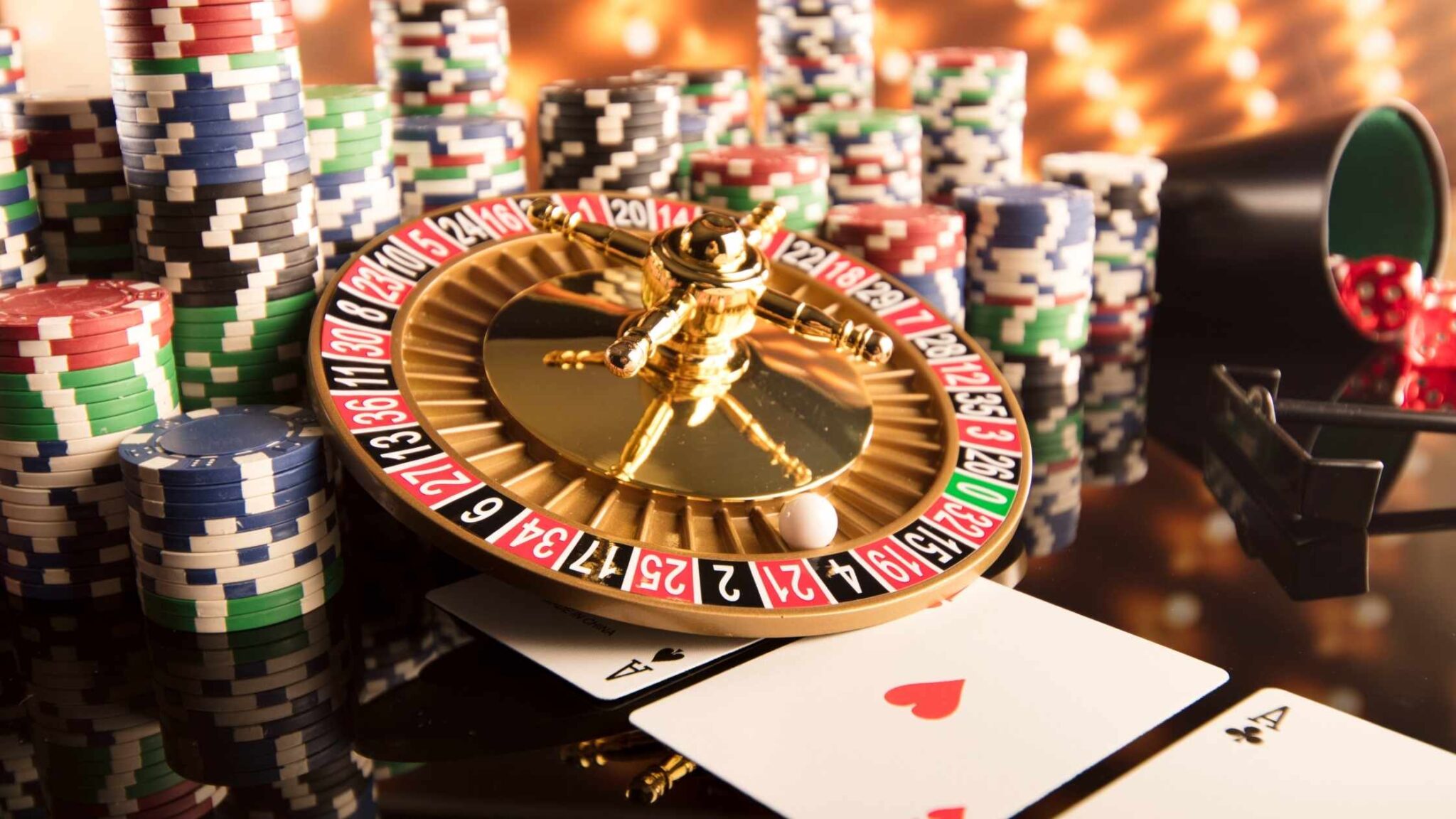
Psychologically, the illusion of control can be quite powerful. It allows players to rationalize their decisions, as they believe that skill or strategy can dictate outcomes—particularly in games like poker or blackjack, where skill plays a role. This perception enables them to take on higher risks, as the narrative constructed around their skills can overshadow the fundamental reality of chance. Such cognitive biases make the experience of gambling even more enticing, as participants feel empowered in an otherwise unpredictable environment.
Moreover, casinos capitalize on this illusion through the design of their gaming options. Offering games that feature elements of skill alongside chance can amplify players’ beliefs in their control, thus increasing their overall engagement. The interplay between skill and luck can make the experience highly attractive, encouraging players to take calculated risks as they navigate their choices in the gaming landscape. By fostering a mindset that emphasizes choice and control, casinos ensure that their patrons remain deeply entrenched in the world of risk-taking.
Your gateway to understanding the world of gambling
As you explore the fascinating psychology behind why we love casinos, it becomes clear that a combination of social interaction, emotional highs, and the allure of risk create a compelling environment for many. Your understanding of these psychological aspects can enhance your insights into not only gambling but also the broader implications of risk-taking behaviors in various facets of life. Whether you are a seasoned gambler or a curious observer, recognizing the underlying drives can inform your interactions with gambling environments.
Delving deeper into these psychological dynamics offers a comprehensive perspective on human behavior. Understanding how unpredictability, community, and the thrill of occasional success intertwine can equip you with the tools to navigate these environments more consciously. Additionally, acknowledging the impact of illusions of control can help you make choices aligned with your values and priorities when engaging in any form of risk.
In conclusion, the world of casinos is not merely about games and bets; it is a complex interplay of psychology and human behavior. The excitement derived from risk, social connections, and the illusion of control contribute to our enduring fascination with gambling. By understanding these psychological elements, individuals can approach the casino experience with a more informed perspective, balancing the thrill with awareness of the risks involved.